
Quick Read:
- Discontinued models usually remain serviceable for years, with warranty coverage continuing and common maintenance parts still widely available.
- Resale value can move in either direction: some canceled models depreciate faster, while enthusiast or specialty vehicles may hold value better.
- Buying a discontinued model can make sense, but shoppers should check long-term parts availability, shared components, and the vehicle’s current market value.
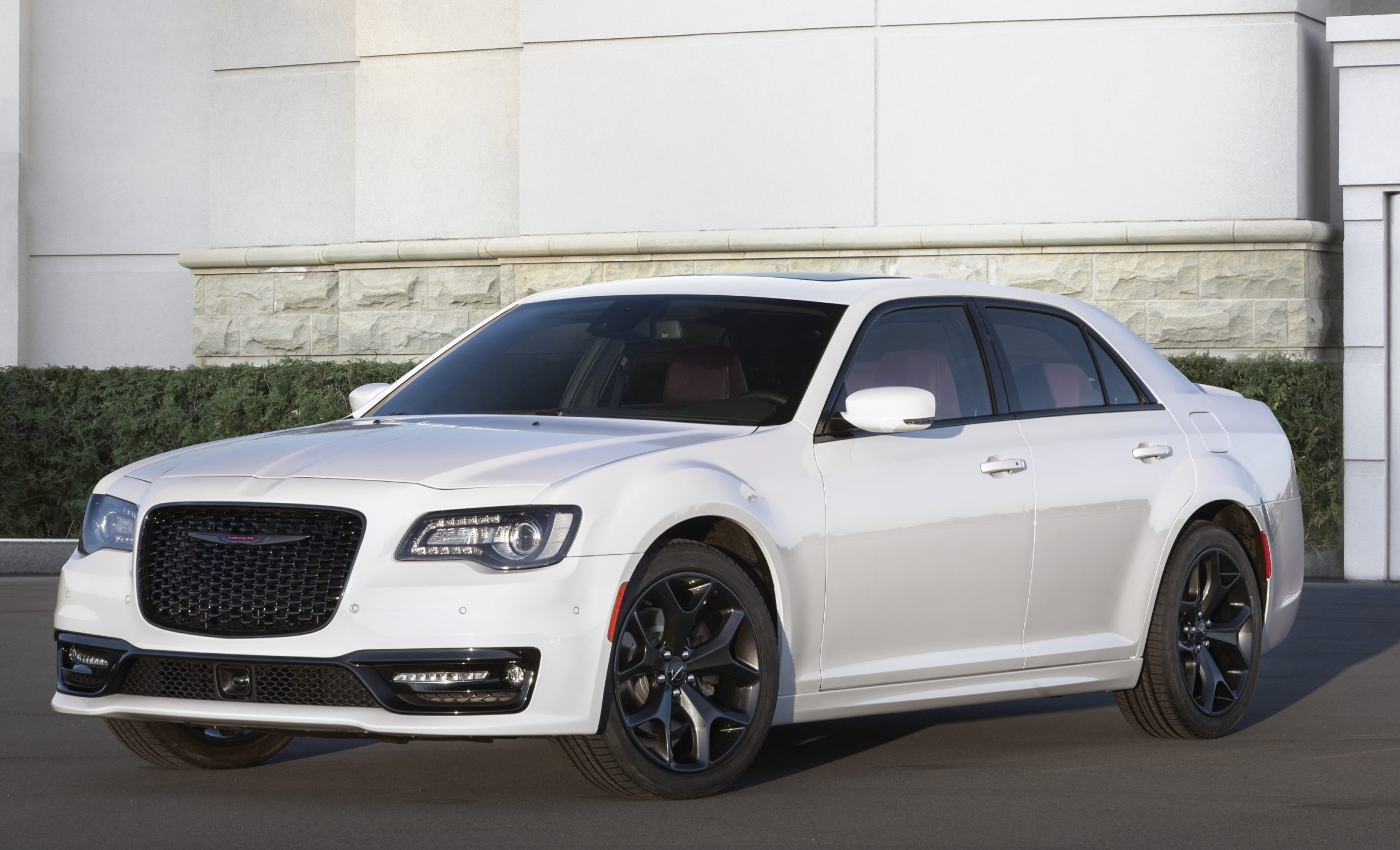
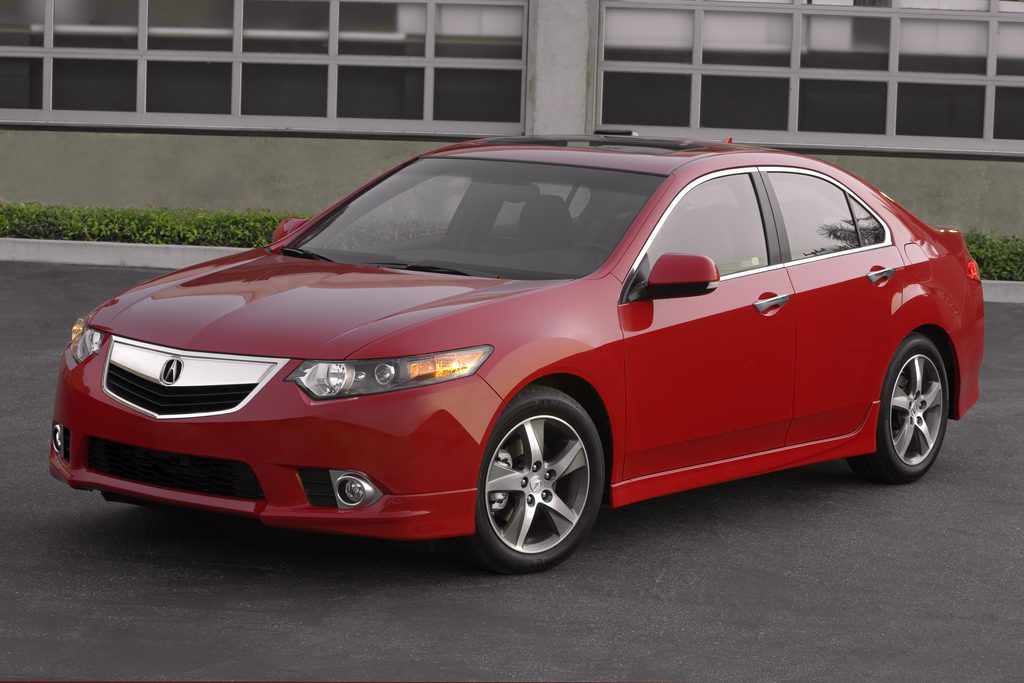
In the past 5 years, automakers have canceled over 75 nameplates that once graced dealer showrooms across the U.S. These models consigned to history include the Acura TLX, Audi A4, BMW X4, Chrysler 300, Ford Edge, Hyundai Accent, Lexus RC, Lincoln Continental, Nissan Maxima, Toyota Avalon, Volkswagen Passat, and Volvo S60. These actions may seem drastic, but they’re a normal part of the automobile business. Manufacturers may cut lineups because of slow sales or to make room for new models. The industry also faces constant shifts in product strategy as brands adapt to changing consumer preferences and the rise of electrified vehicles.
Whatever the reason, a discontinued model can raise concerns among current owners and prospective buyers. However, the downsides aren’t likely to have an immediate impact. Dealers will still service the vehicle, and any existing factory warranty remains valid. In addition, parts are likely to remain available in the near term, especially if the model was popular. Also, buying a canceled model may open up bargains that wouldn’t exist otherwise.
Let’s break down what this all means in the real world.
Parts and Service Usually Continue
Parts availability is a legitimate concern, but most automakers support discontinued models long after production ends. The same goes for dealership service departments, which still want to generate business through routine maintenance and repairs. At the same time, manufacturers are obligated to honor any warranty commitments.
Wear-and-tear items like brake pads, rotors, filters, and belts are usually easy to find. For models that have been on the market a while, third-party parts suppliers may also be an option. While myths suggest automakers must stock spare parts for a set period (10 to 20 years may come up in conversation), there is no legal requirement unless it’s to correct a recall on eligible vehicles.
Over time, components like body panels, infotainment hardware, and unusual interior parts will be harder to find. However, this is more likely to occur a decade down the road than immediately after the manufacturer pulls the plug. Independent shops that specialize in discontinued models may also be a resource, especially for parts sourcing.
Depreciation Can Go Either Way
Valuations don’t change the same way for every discontinued model. In some cases, buyers may find favorable pricing for new vehicles still sitting on dealers’ lots or used ones that have reached the second-hand market. This is often the case with nameplates that already had weakened demand. Buyers may be less interested in a car that no longer has a current equivalent, and lenders or dealers may be more cautious about future resale value. This may create an opportunity to save money if you don’t mind driving a vehicle that may not be the latest and greatest.
However, plunging depreciation isn’t a hard-and-fast rule for every discontinued vehicle. Specialty and enthusiast models may lose value more slowly or even increase in value compared to other used cars.
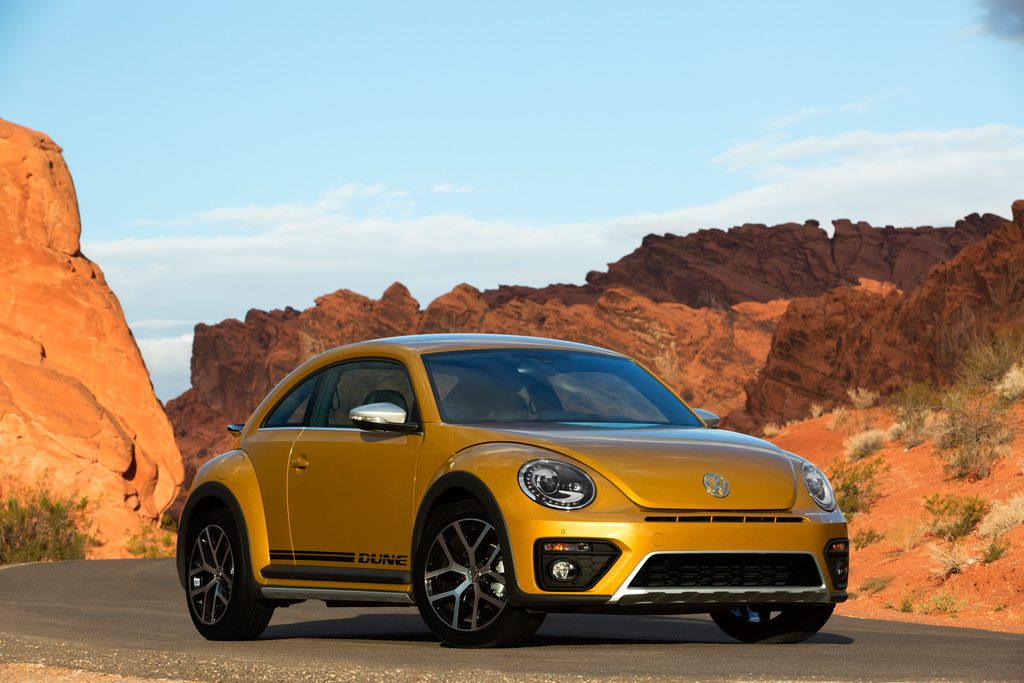
For example, over the past year, used vehicles overall have increased in value by about 1.5%, according to CarGurus. However, the Volkswagen Beetle, which was discontinued in 2019, has appreciated by over 5%, while the Audi A4 (discontinued in 2025) has depreciated by over 4%.
Don’t make assumptions; do your homework when valuing canceled models.
Should You Avoid Buying a Discontinued Model?
There are no set guidelines about buying a nameplate that’s already been to the chopping block. The answer comes from your needs and goals. If the idea is to save money with a vehicle purchase, then this might be the right approach, depending on the vehicle.
However, if you typically drive cars until the wheels fall off, you might want to research whether parts availability might be an issue down the road. A less common model might cause headaches later on when components need replacing. Research the model you’re considering and see whether it shares components with other models. This is commonplace in the industry. For example, Subaru dropped the Legacy in 2025, but this sedan uses many of the same mechanicals as the Outback wagon, thus creating a potential parts lifeline.
More: Car Refresh vs. Redesign: Why It Matters When Buying Used