
Quick Read:
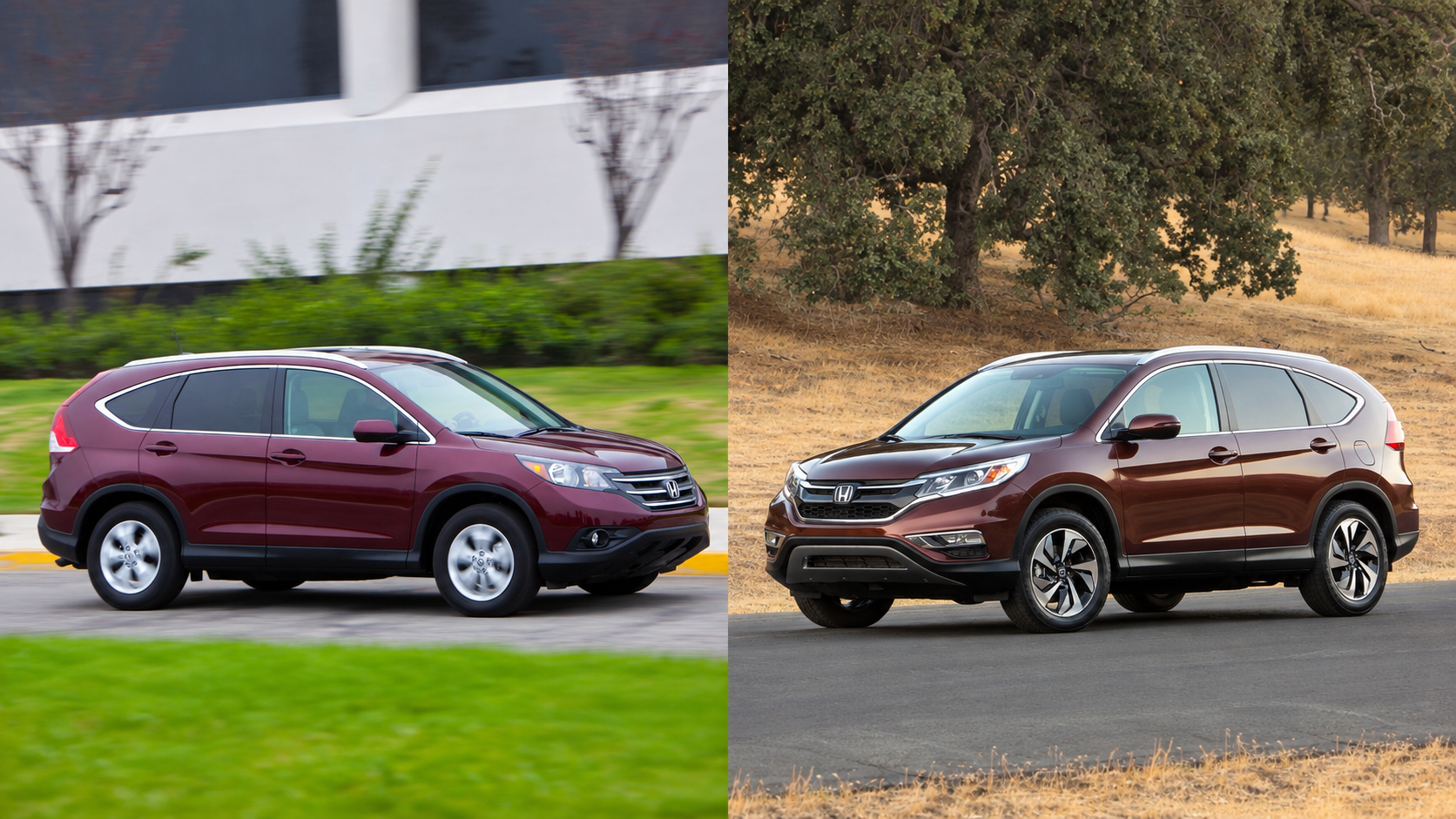
- The 2013 CR-V outscores the 2015 on both CarDependability Index measures — an Early CDi of 85 (B) versus 69 (D+), and an above-average long-term rating versus Average.
- The 2015’s mid-cycle refresh brought a reworked engine and a new CVT, and engine-related issues made up 38% of its complaints, compared with 26% for the 2013.
- The older 2013 typically sells for about 20% less while earning higher dependability scores, making it the stronger value on the used market.
If popularity and dependability were directly connected, the Honda CR-V would be one of the most reliable vehicles on the road. These compact crossovers are everywhere, but not every model year gets the same thumbs-up from owners. Buyers considering a used CR-V can save money and get better dependability ratings by choosing model years strategically. The 2013 and 2015 Honda CR-V are good examples. While neither is “bad” overall, the 2013 has fewer owner complaints and typically costs less.
The CarDependability Index (CDi) helps highlight where the 2013 CR-V outshines its 2015 counterpart. The Early CDi examines a model’s first three years, based on owner reports submitted to the National Highway Traffic Safety Administration (NHTSA), and assigns a score and an accompanying letter grade for easy classification. The Long-Term CDi compares complaints over the vehicle’s lifetime with those of other vehicles from the same model year. Both ratings provide a more complete view of a particular car than looking only at initial quality or owner surveys.
2013 vs. 2015 Honda CR-V: Model Year Changes and Dependability Scores
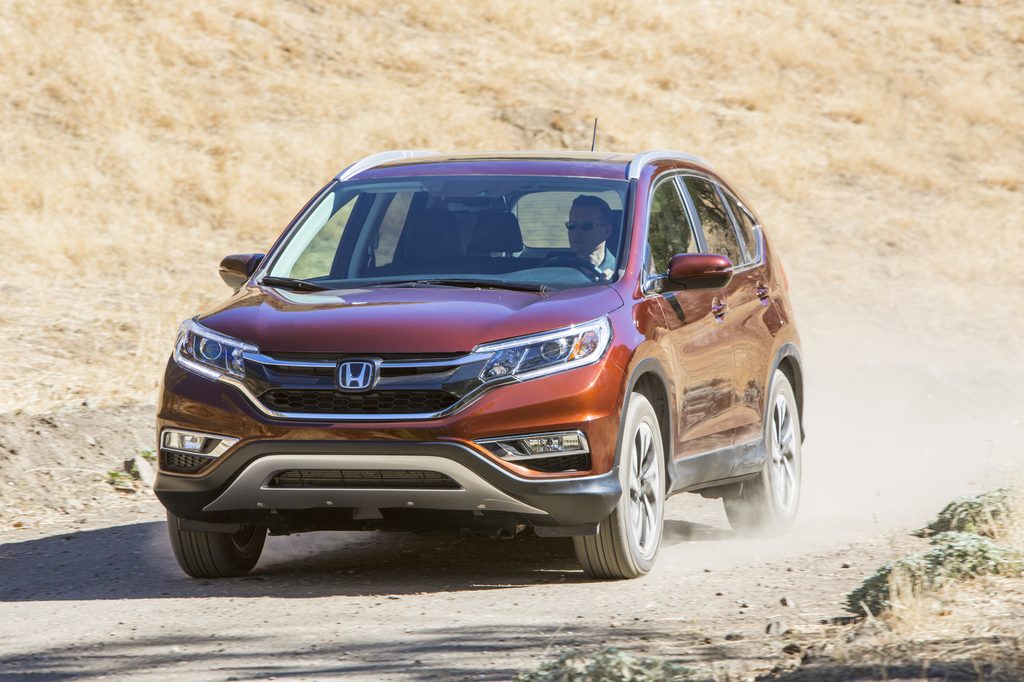
Both the 2013 and 2015 CR-V shared fourth-generation DNA. However, the 2015 edition has a refreshed exterior and a new powertrain. That new engine and transmission create vulnerabilities in the 2015 CR-V. The 2.4-liter four-cylinder engine’s basic architecture carries over from earlier models, including its 185 horsepower. But Honda reworked the powerplant in the 2015 version to produce more torque for spunkier acceleration. Torque increased to 181 lb-ft from 163. The engine accounted for 38% of all complaints for the 2015 CR-V. That compares with 26% for the 2013 model year.
However, the most significant change is the transmission. The conventional five-speed automatic was replaced with a continuously variable transmission (CVT) in the 2015 CR-V. While that changeover helps with fuel economy, it exposes owners to a potentially expensive repair. Should the CVT develop major problems, the remedy often requires replacing, not repairing, the entire unit. In contrast, a bad conventional transmission doesn’t always have to be replaced. Installing a new clutch, gear, or solenoid is far less costly. Admittedly, the transmission’s share of complaints is similar between these two model years and doesn’t appear to affect reliability ratings, but potential buyers should be aware of it.
What the CarDependability Index (CDi) says
A closer look at the numbers shows additional differences between the 2013 and 2015 CR-Vs. The Early CDi score for the 2013 model year is a solid 85 out of 100 (Grade: B), compared to a 69 out of 100 (Grade: D+) for the 2015 CR-V.
The 2013 CR-V also delivers better results in the Long-Term CDi with 1.263 complaints per 1,000 vehicles. That ranking puts this Honda above average, at the 80th percentile (only 20% of 2013 vehicles had a lower complaint frequency). For the 2015 model year, the CR-V lands in average territory with 1.914 complaints per thousand vehicles, at the 58th percentile. That’s not terrible, but you’ll pay more for something that scores lower.
2013 vs. 2015 Honda CR-V: The Value Play
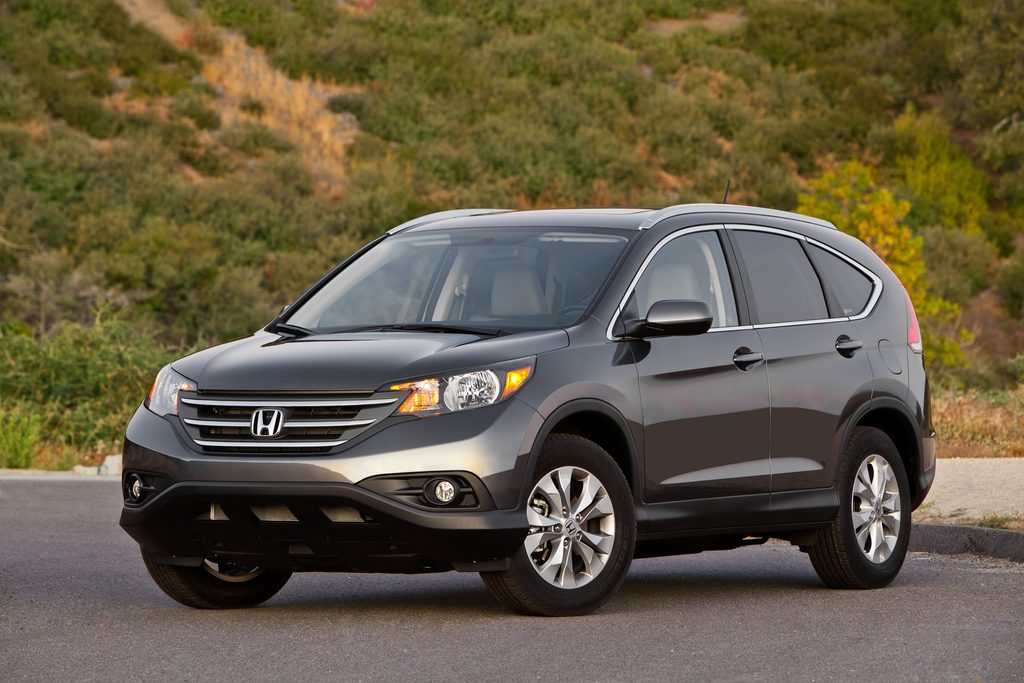
Since the latest CR-V is part of the sixth generation, minor aesthetic differences between the 2013 and 2015 model years are unlikely to sway buyers. Few will notice the visual differences that distinguish these fourth-generation models. For some, livelier acceleration and improved fuel economy may make a case for the 2015 CR-V, but shoppers looking at cars of this age usually focus on value (we already covered reliability), so let’s look at some real-world numbers.
Based on dealer listings as of September 2026, CarGurus reports that the 2013 Honda CR-V has an average asking price of about $11,600 versus $14,500 for the 2015 model year. That’s almost $3,000, or 20%, which can be a meaningful difference for someone on a tight budget. Opting for the older of this CR-V pair can save money and lead to a vehicle with higher CDi scores.
What Used Honda CR-V Shoppers Should Know
While the CarDependability Index is a helpful resource for shoppers, use additional resources when deciding on a used vehicle. A vehicle history report can spot accidents, title issues, and unusual mileage readings. An extended test drive can reveal condition issues that are difficult to detect in a parking lot. A pre-purchase inspection by an experienced technician can uncover problems that otherwise go unnoticed and give you a stronger negotiating position.
More: Car Refresh vs. Redesign: Why It Matters When Buying Used