
Here’s an eye-opening number: the average EV loses 52% of its original value after three years. For perspective, the typical conventional car drops 34% in value over the same period. But before you rush out and buy a used EV, you’ll want to know which are the worst used EVs to buy before you sign anything
We reviewed the CarDependability Index (CDi) to identify the lowest-scoring EV model years. This unique look at complaint data highlights owner reports during a model’s first three years and boils the results into a 0–100 score with an accompanying letter grade.
There’s also a Long-Term CDi component that assesses complaint volume across its entire life, showing whether a vehicle’s problems ease off or pile up as it ages. This information is shown as complaints per 1,000 vehicles. We’ve also included the recall totals for each model, which aren’t directly connected to reliability but still require attention.
Every model below earned an F, and each one rates “well below average” over the long haul, too. These poor ratings aren’t a knock against all EVs, just a callout of which models drew the significant owner complaints.
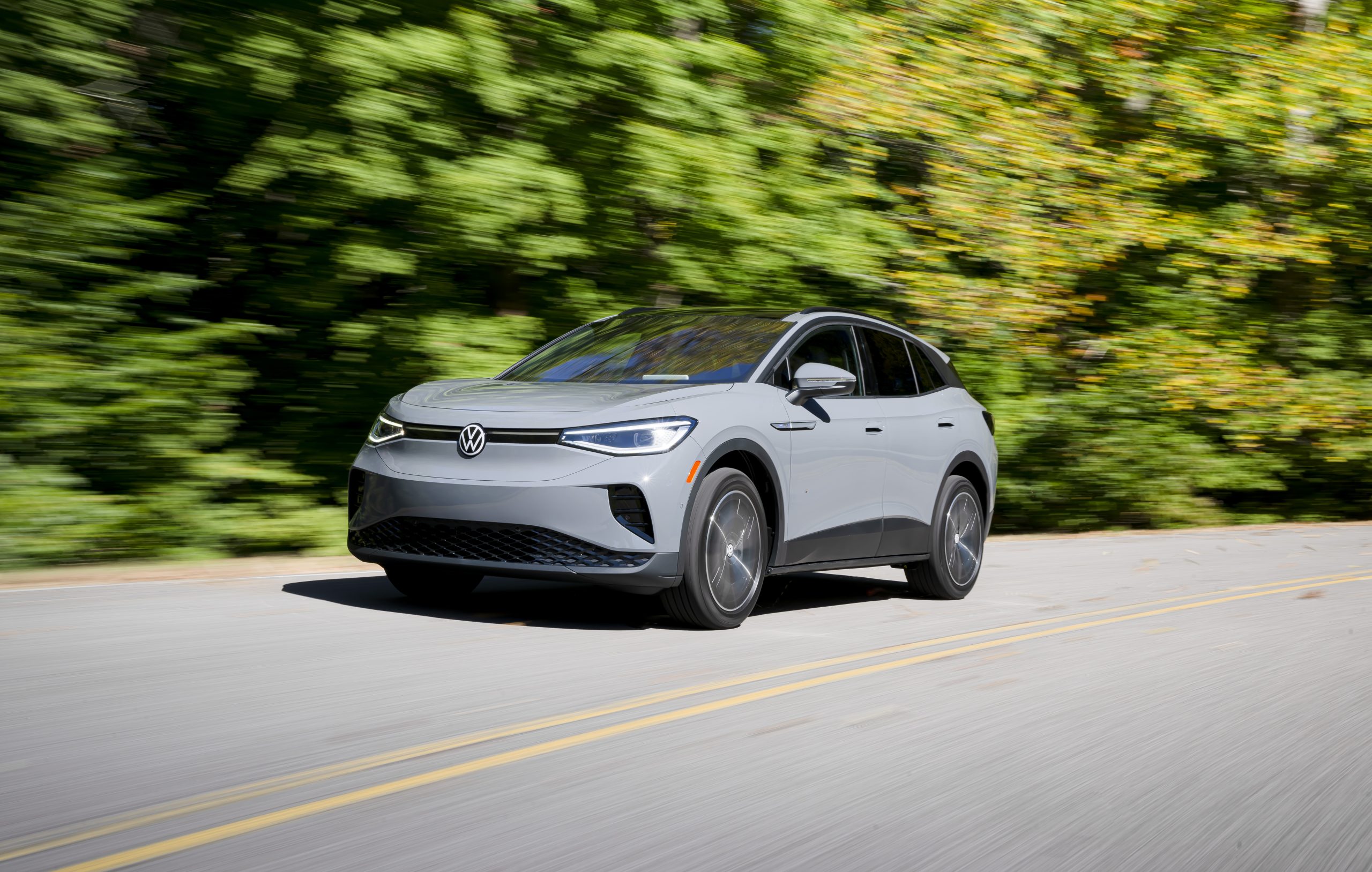
2023 Volkswagen ID.4
Early CDi: F (1/100)
Long-Term CDi: 12.9 (well below average)
13 recalls
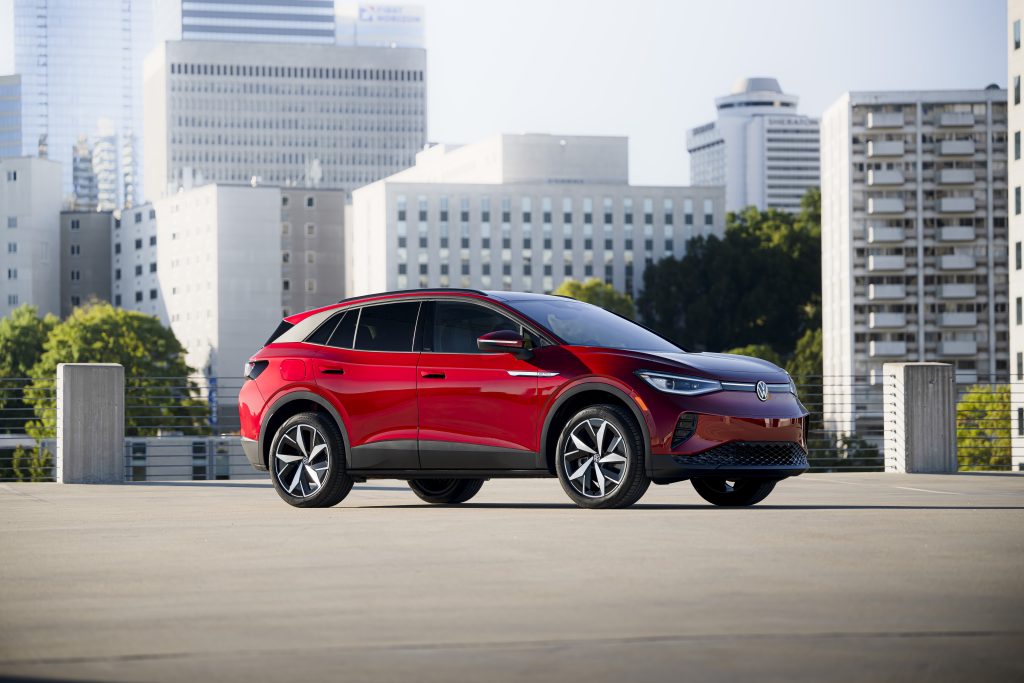
Volkswagen’s first purpose-built EV for the U.S. market launched for the 2021 model year, but the 2023 edition ranks as the worst-scoring EV in our high-confidence data. About half of owner complaints involve electrical faults, with software and electronics issues close behind. While all-new models can be glitchy the first few years, a Long-Term CDi rating of 12.9 complaints per 1,000 vehicles means the 2023 ID.4’s problems don’t appear to be easing with age. This model year is also now covered by a battery-fire recall affecting 2023–2026 ID.4s, adding to an already heavy recall load.
2023 Hyundai Ioniq 5
Early CDi: F (1/100)
Long-Term CDi: 14.2 (well below average)
4 recalls
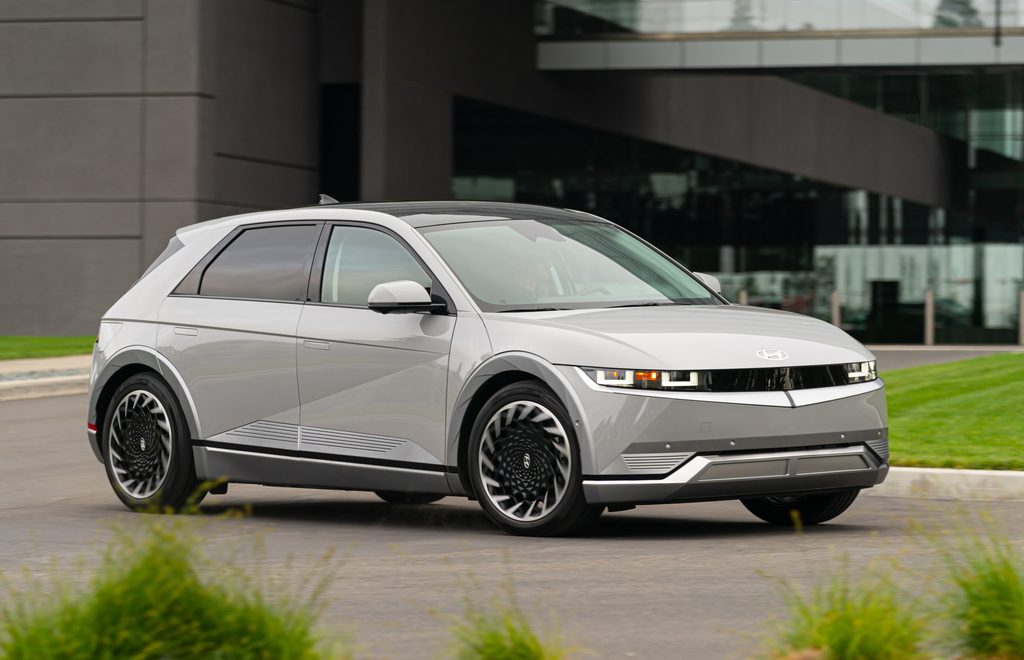
When it launched in 2022, the Ioniq 5 earned good reviews from the automotive press. Unfortunately, the first-year gremlins only increased in its sophomore year. 70% of all owner complaints involve electrical issues, with the charging and high-voltage system being especially troublesome. Owner complaints include reports of vehicles losing power. Drivetrain and high-voltage battery complaints round out the picture. 14.2 complaints per 1,000 vehicles also show owners continue to face problems over the long term.
2021 Tesla Model S
Early CDi: F (1/100)
Long-Term CDi: 12.3 (well below average)
23 recalls
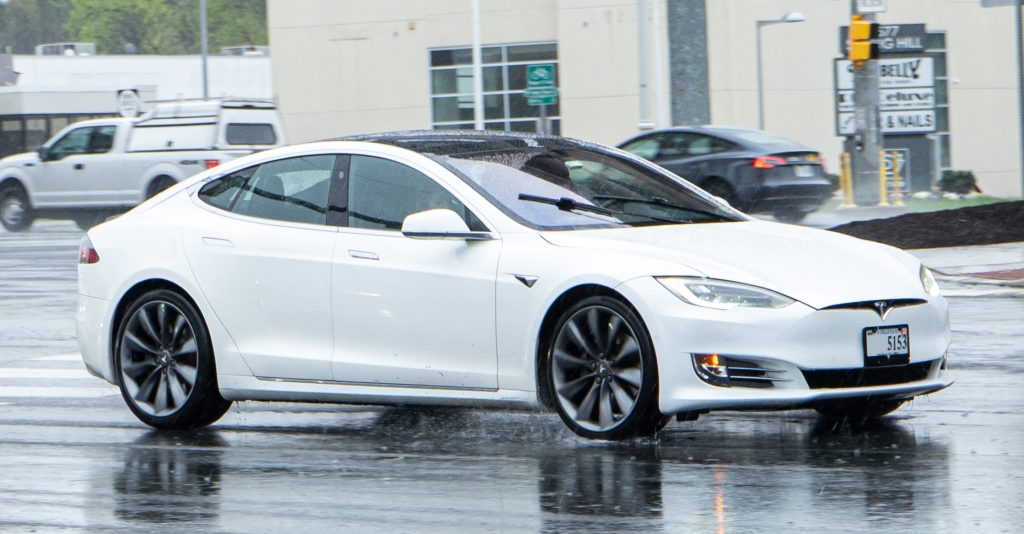
Here the storyline changes. The Model S’s complaints aren’t about charging but about steering and suspension (32%) and driver-assistance (31%), with the latter largely Autopilot-related. With 23 recalls, it also has one of the heaviest recall counts in the group, and its lifetime complaint rate of 12.3 per 1,000 stays firmly in the worst tier. (The 2016 Model S grades just as poorly, with an even harsher long-term record, so this isn’t a one-year problem.)
2022–2023 Tesla Model X
Early CDi: F (1/100, both years)
Long-Term CDi: 7.2–9.0 (well below average)
17–22 recalls
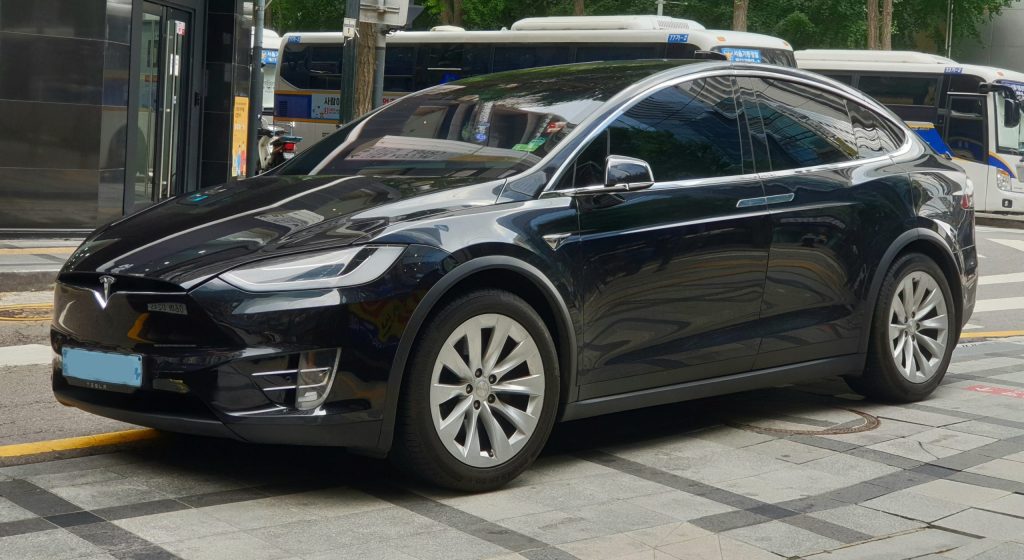
Two straight model years at the bottom. Like the Model S, the Model X’s trouble is concentrated in steering, suspension, and driver-assistance, with body and exterior complaints reflecting the well-known quirks of its falcon-wing doors. Both years carry heavy recall activity, and Long-Term CDi scores of 9.0 (2022) and 7.2 (2023), both well below average, show the issues persist past the warranty window.
2021 Tesla Model Y
Early CDi: F (1/100)
Long-Term CDi: 8.7 (well below average)
23 recalls
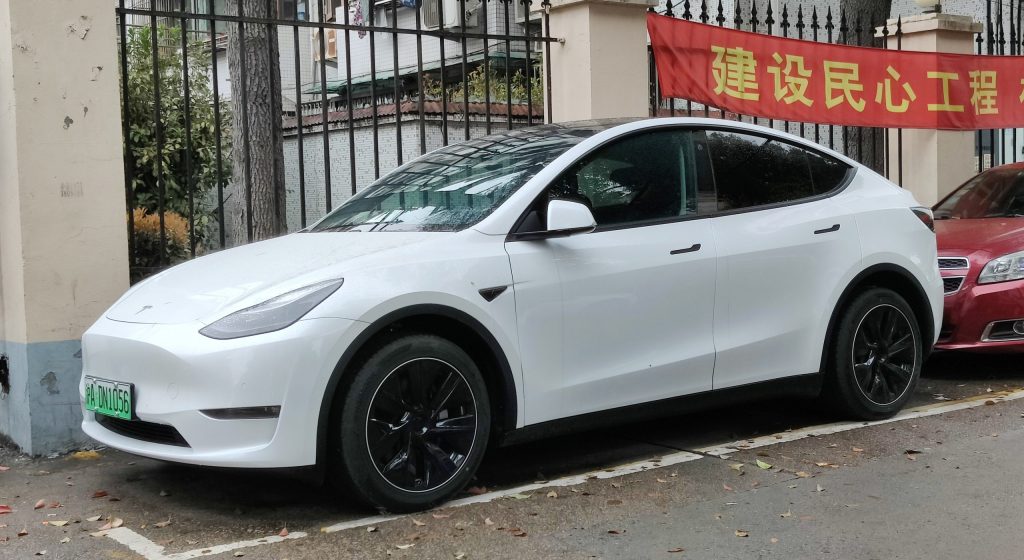
The Model Y’s profile is the most lopsided on the list: driver-assistance accounts for 60% of complaints, followed by brakes and steering issues. As with its stablemates, the complaint pattern stems more from the Model Y’s software and driver-assist systems than its drivetrain. The Long-Term CDi rate of 8.7 per 1,000 is well below average.
2019 Chevrolet Bolt
Early CDi: F (20/100)
Long-Term CDi: 9.2 (well below average)
6 recalls
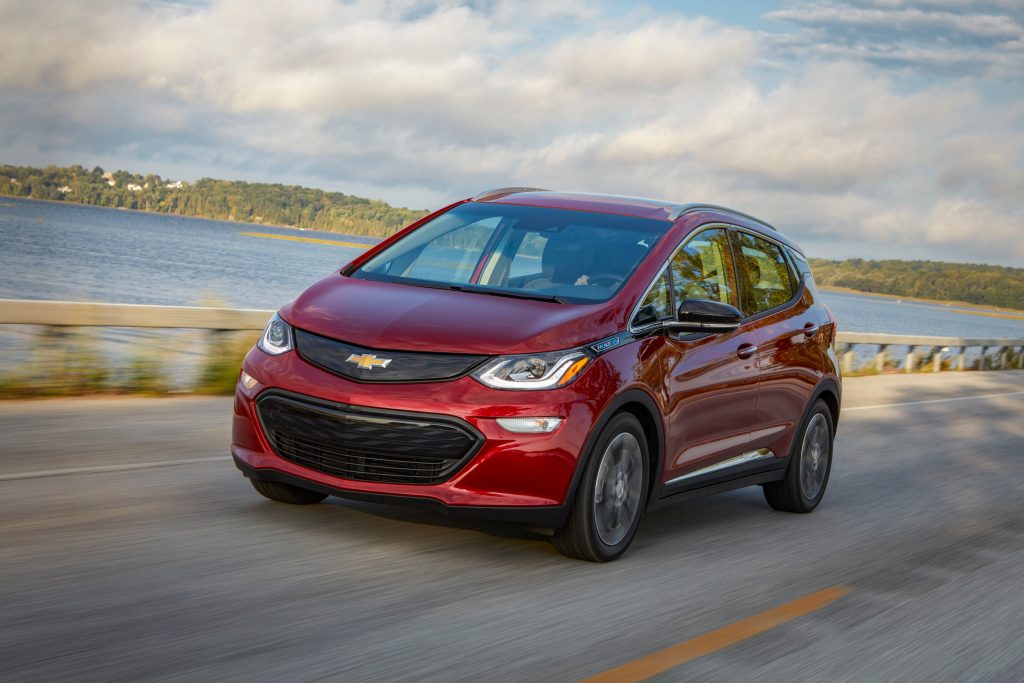
The least severe of the six still has an F grade and an infamous backstory. The 2019 Bolt was swept up in GM’s battery-fire recall, which led the automaker to tell owners to limit charging and park away from structures while it sorted out fixes. The data reflects that saga: electrical complaints (49%) and high-voltage-battery issues (25%) dominate. Its complaint rate nearly doubles over the car’s life, to 9.2 per 1,000, well below average.
How we ranked these
We ranked these model years by their Early CDi score, using only high-confidence ratings. We also excluded mixed-powertrain nameplates so gas-model complaints don’t skew the EV numbers. One caveat on the Long-Term CDi figures: older model years have simply had more time to accumulate complaints, so those numbers are best for tracking a single vehicle’s trajectory over time, not for comparing one model against another of a different age.