
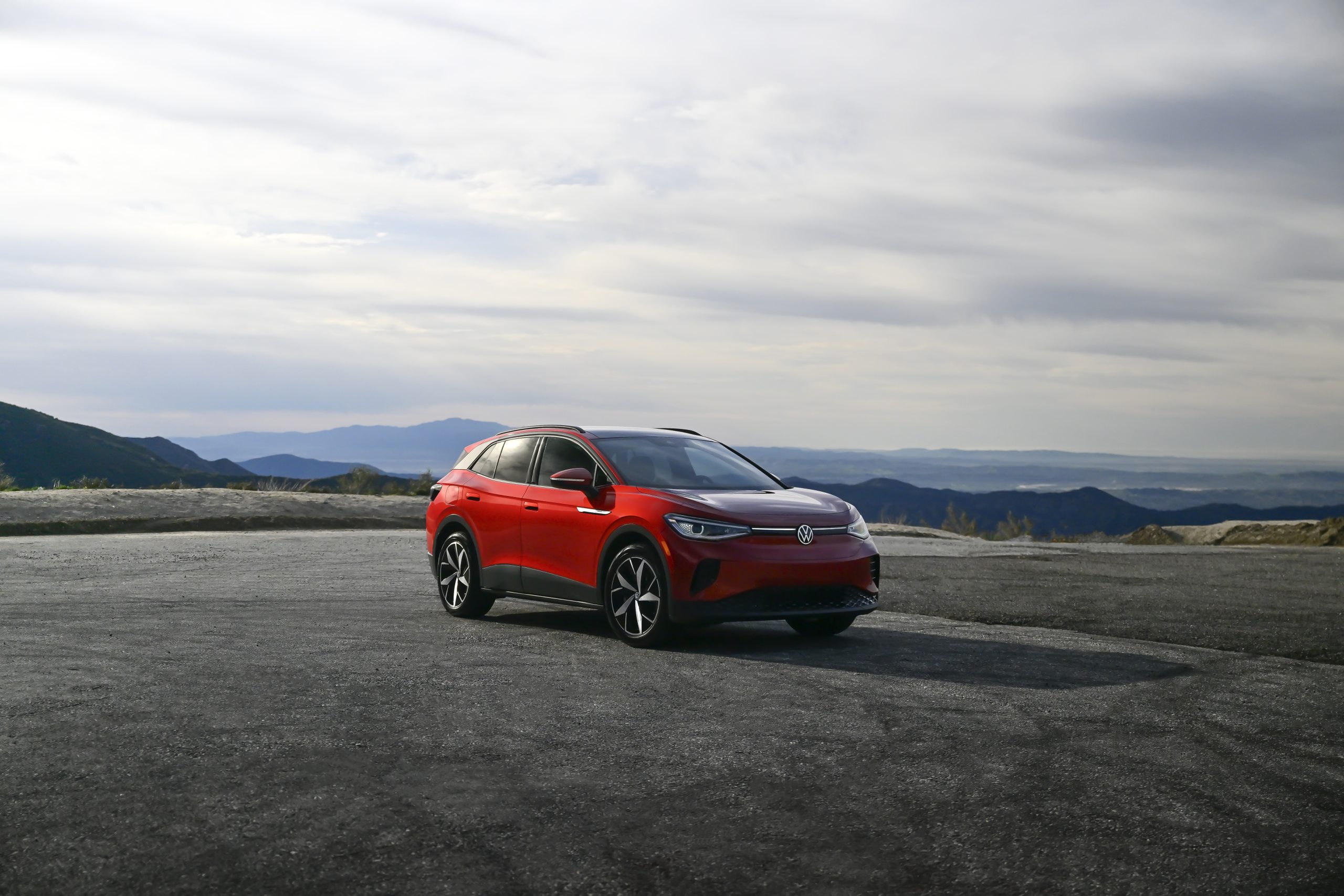
Volkswagen is recalling 22,524 ID.4 electric SUVs from the 2023–2026 model years because their high-voltage batteries could fail and cause a fire. Volkswagen filed the recall with NHTSA on September 30, 2026. Owners can refer to campaign number 26V630 or Volkswagen’s identifier: 93EX.
The battery powers the vehicle’s electric motor. According to Volkswagen’s recall report, certain charging patterns combined with a battery charge above 80% may allow overheating to spread within the battery, potentially causing a vehicle fire. The automaker has not yet determined the root cause.
What the Volkswagen ID.4 recall covers
The recall applies to certain ID.4s, rather than every vehicle from these model years. Volkswagen used production records, battery-cell information, and available charging data to identify the affected SUVs.
A permanent repair is still under development. Until that repair is completed, owners of affected vehicles should charge to no more than 80% capacity. The owner’s manual explains how to adjust the charging settings. Anyone else who drives or charges the vehicle should also know about the limit.
Volkswagen plans to provide warning stickers reminding drivers of the restriction. Depending on their configuration and online connectivity, some vehicles may also be set to enforce an 80% charging limit.
How to check your ID.4
Enter your vehicle identification number (VIN) at NHTSA’s recall lookup tool to see whether your SUV is included. Affected VINs became searchable on October 6.
Volkswagen expects to mail initial owner notices on November 27, 2026. Another notice will follow when a repair is available. Owners can contact a Volkswagen dealer or call customer service at 800-893-5298 for guidance.
How the ID.4 scores in the CDi
The 2022 and 2023 ID.4 both earn F grades in the CarDependability Index (CDi), scoring 10/100 and 1/100, respectively. Electrical problems account for the largest share of complaints across the 2022–2024 vehicles. The 2024 score is 62/100, a D-, but its three-year complaint window is incomplete, so it’s too early to call that improvement a turnaround.