
Quick Read:
- A VIN can identify a vehicle’s make, model year, engine, drivetrain, body style, and assembly plant.
- A basic VIN check can help confirm that a seller’s description matches the actual vehicle.
- A VIN alone doesn’t reveal accident, ownership, mileage, or title history; that requires additional records or a vehicle history report.
If you’ve used the CarDependability Index (CDi) and other resources to help narrow your used car search, it’s time to focus on specific vehicles. You might be scrolling through Craigslist or Facebook Marketplace or checking out dealers’ online listings. Now you need to review each car individually.
Before meeting the seller, start with a basic vehicle identification number (VIN) check. It’s usually free and can provide essential information before you visit a sales lot or buy a vehicle history report. We’ll walk you through what a VIN can and can’t tell you, but let’s get the basics out of the way.
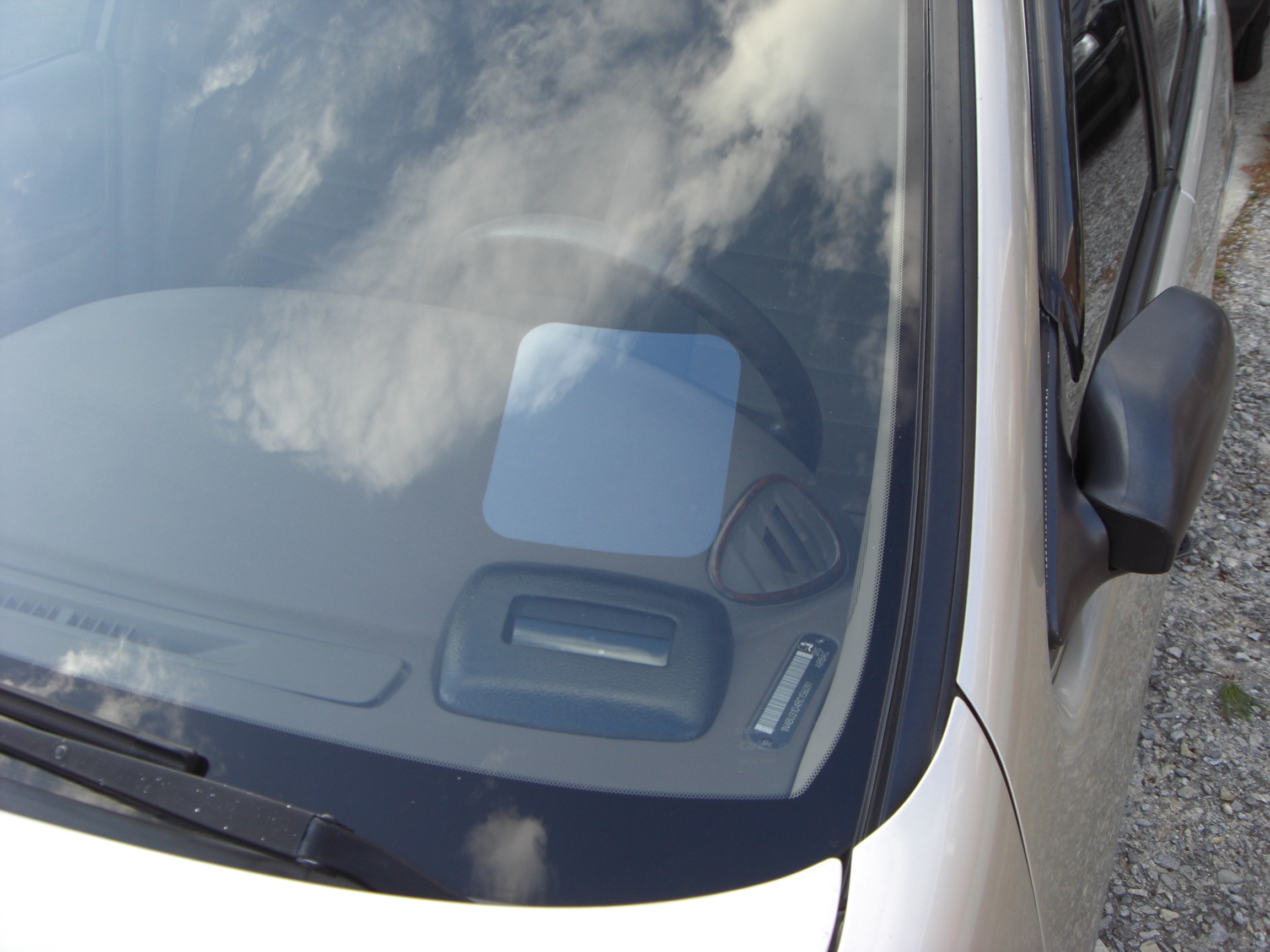
The VIN is a standardized 17-character identifier used on all U.S.-market automobiles built since the 1981 model year. Older vehicles may have shorter identifiers that a modern VIN decoder may not recognize. Most cars have VINs in multiple locations, including on the driver’s side of the dashboard (visible through the windshield), on a certification label affixed to the driver’s side door jamb, or under the hood. The automaker assigns the VIN during manufacturing; it usually doesn’t change after the car rolls out of the factory.
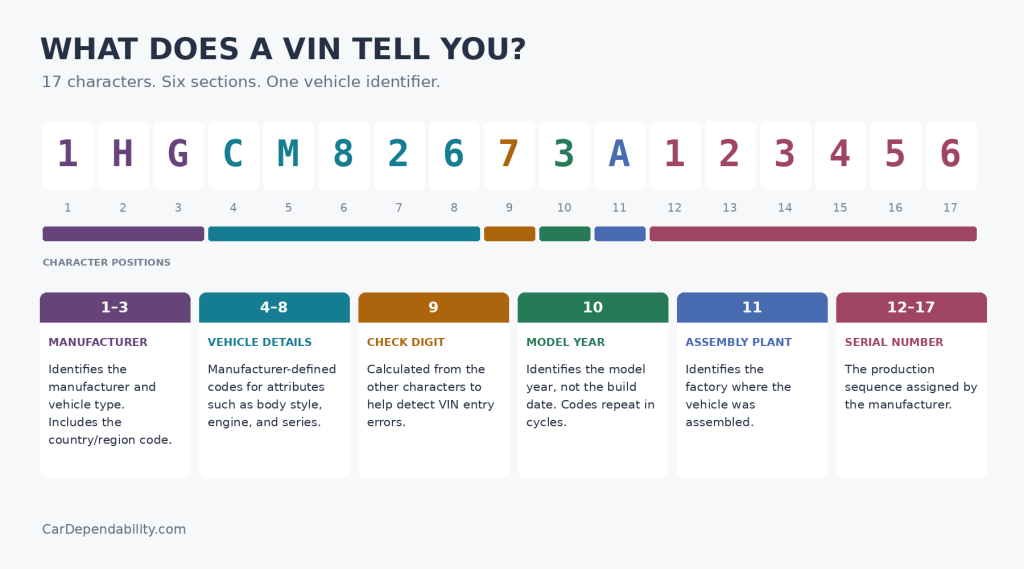
What’s Built Into the VIN Number?
In most cases, the VIN helps you identify the manufacturer, vehicle type, and body style. The decoder usually reveals the model year, make, model name, engine, drivetrain, and other vehicle details. The assembly plant is also included.
This information helps verify the seller’s details about a specific vehicle. Is the model year correct? Does the engine match what’s in the listing? Dealers and private sellers can make mistakes or try to misrepresent a car. A quick VIN check can reduce uncertainty when buying a second-hand vehicle.
How to Check the VIN Before Buying
Using a VIN decoder is simple and usually free. The National Highway Traffic Safety Administration (NHTSA) has a tool on its website, and many vehicle history report providers offer a similar service at no charge.
Ideally, get the VIN from a photo or an in-person visit to minimize errors. Otherwise, ask the seller. The federal Driver’s Privacy Protection Act safeguards ownership information, so a private citizen can’t use a VIN to trace an address or other personal details.
What a VIN Won’t Tell You by Itself
A VIN also won’t tell you what’s happened to the car since it left the factory. For that, you’ll need to purchase a vehicle history report, which may disclose reported accidents, ownership transfers, mileage readings, and title status. Keep in mind that a clean report doesn’t mean that a car has never been damaged; it just means that some details may not have been submitted to the databases used to generate the report. Some history report companies may include recall information, but NHTSA also provides a vehicle’s safety campaign status for free.
More: How to Buy a Car on Craigslist Without Getting Ripped Off